Life is filled with little moments that make every day feel special. Maybe it’s the smell of coffee drifting through the kitchen, or a phone call from a beloved grandchild. It could even be as small as sunlight landing just right on the windowsill. These moments pass quickly, and most days, we let them. But something changes when we take the time to stop and appreciate the moment.
Gratitude happens when we finally take the time to notice the many things in our lives for which we are thankful. The more researchers study it, the more they find that practicing gratitude is a genuine tool for living a fuller life, at any age.
What Does Practicing Gratitude Actually Mean?
Gratitude often gets mistaken for a quick “thank you” and nothing more. But Dr. Robert Emmons, a professor of psychology at the University of California, Davis, and one of the leading researchers of the physical and psychological impact of gratitude, takes it a step further. In an article for Greater Good Magazine, he describes gratitude as an affirmation of goodness, an acknowledgment that good things exist in our lives, and that many of them come to us through other people.
That distinction matters, because a passing “thanks” fades the moment it’s spoken. In contrast, a grateful mindset sticks around and shapes one’s outlook on life. In his article, Dr. Emmons puts it simply: a grateful person accepts life as it comes. This includes the good parts and the hard seasons, too. His research suggests that in moments of great challenges, acceptance can create room for gratitude to grow.
What Does the Research Say About Gratitude?
In their landmark 2003 study published in the Journal of Personality and Social Psychology, Emmons and fellow researcher Michael McCullough asked participants to keep a running list of their daily blessings or daily burdens in a “gratitude journal.” The results were striking. Those who focused on gratitude reported greater happiness and a stronger sense of well-being than those who dwelt on frustrations.
Those benefits stretched across physical, psychological, and social outcomes. Participants who emphasized gratitude over grievances reported lower blood pressure, higher levels of positive emotions, and less loneliness or isolation. The results reflected the long-term pattern that people who practice gratitude regularly report deeper relationships, a stronger sense of connection to their communities, and higher levels of alertness, enthusiasm, and energy in daily life.
This study shows that practicing gratitude doesn’t need to be complicated or require a lifestyle overhaul. Even a few minutes spent reflecting on what went right in a day can produce real, lasting change over time. The key is to build steadily through small, consistent moments of reflection.
How Does Gratitude Change With Age, and Why Is It a Good Thing?
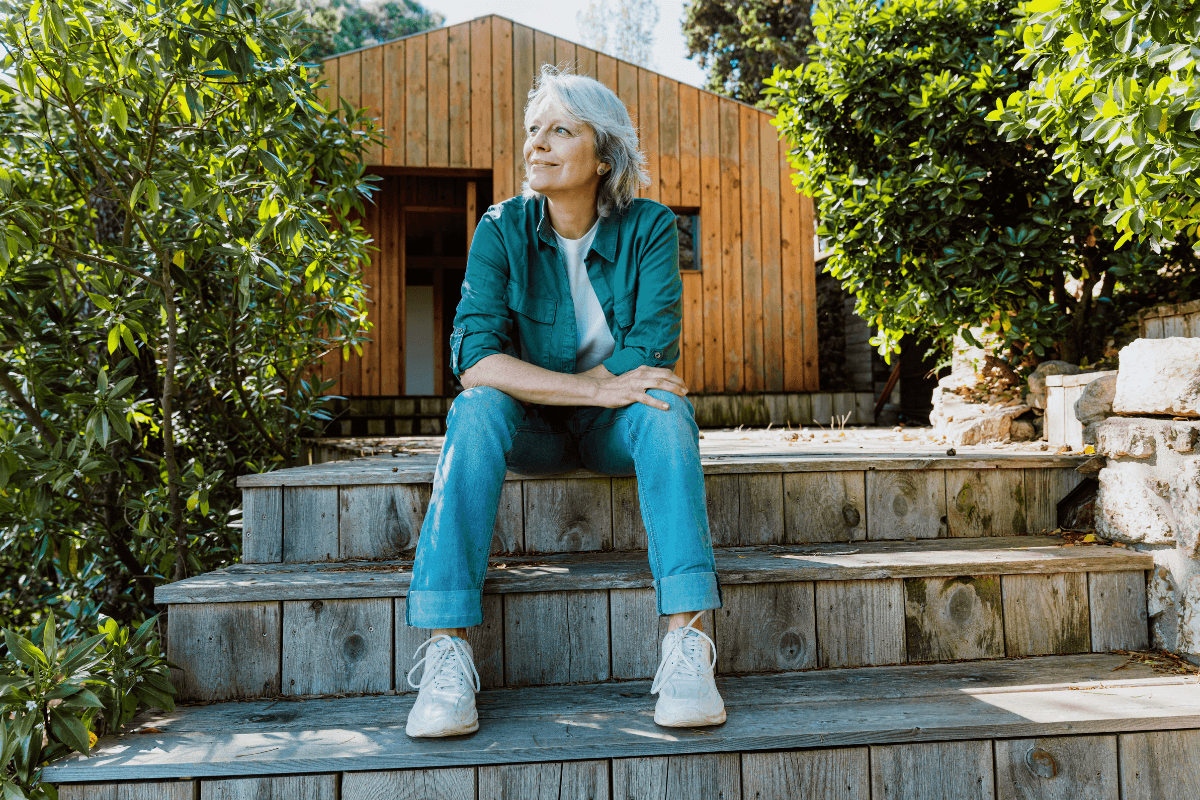
Gratitude doesn’t look the same at every stage of life. In our thirties, we might feel thankful for a promotion or a new home. Later in life, gratitude often shifts toward the parts of our lives that stay consistently present: a long marriage, a close friendship that’s lasted decades, or the simple ability to sit outside and watch the seasons change.
This shift doesn’t mean we lose things to celebrate as we grow older. Many older adults can think of this transformation as a widening of perspective. Rather than focusing on big milestones, aging individuals have the unique opportunity to find meaning in things that went unnoticed.
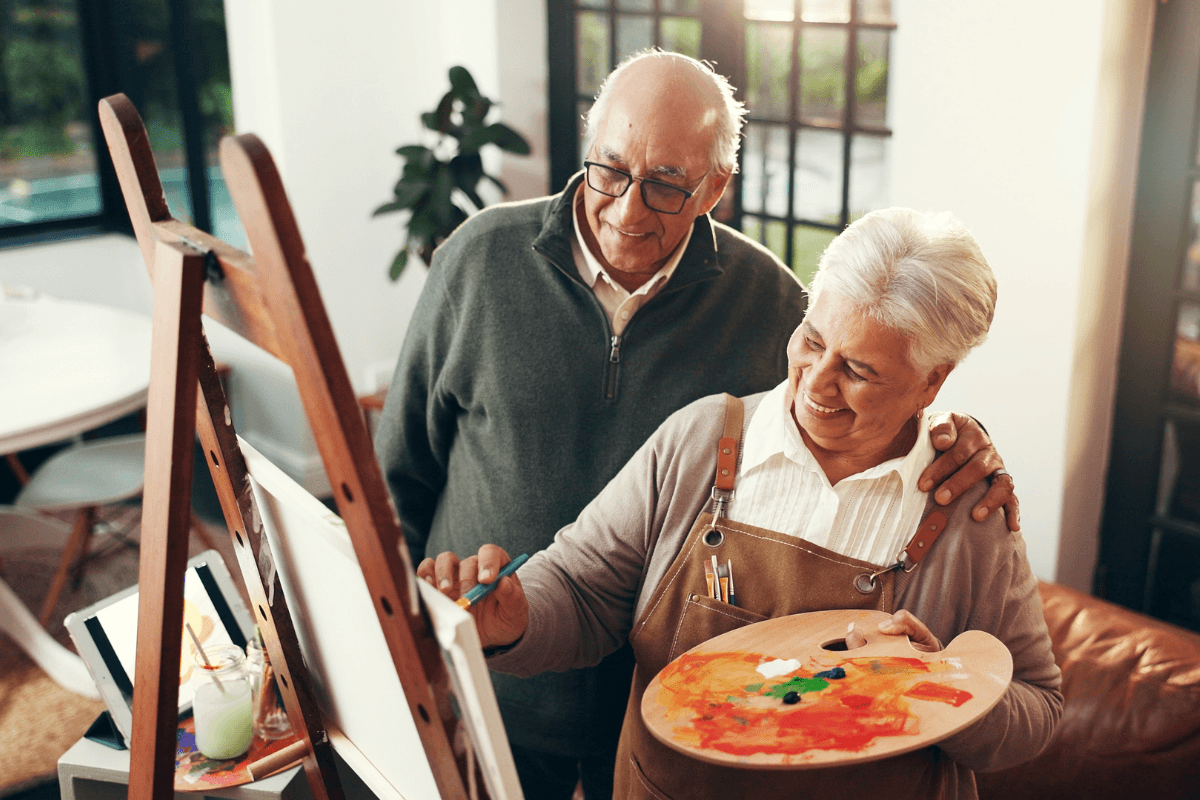
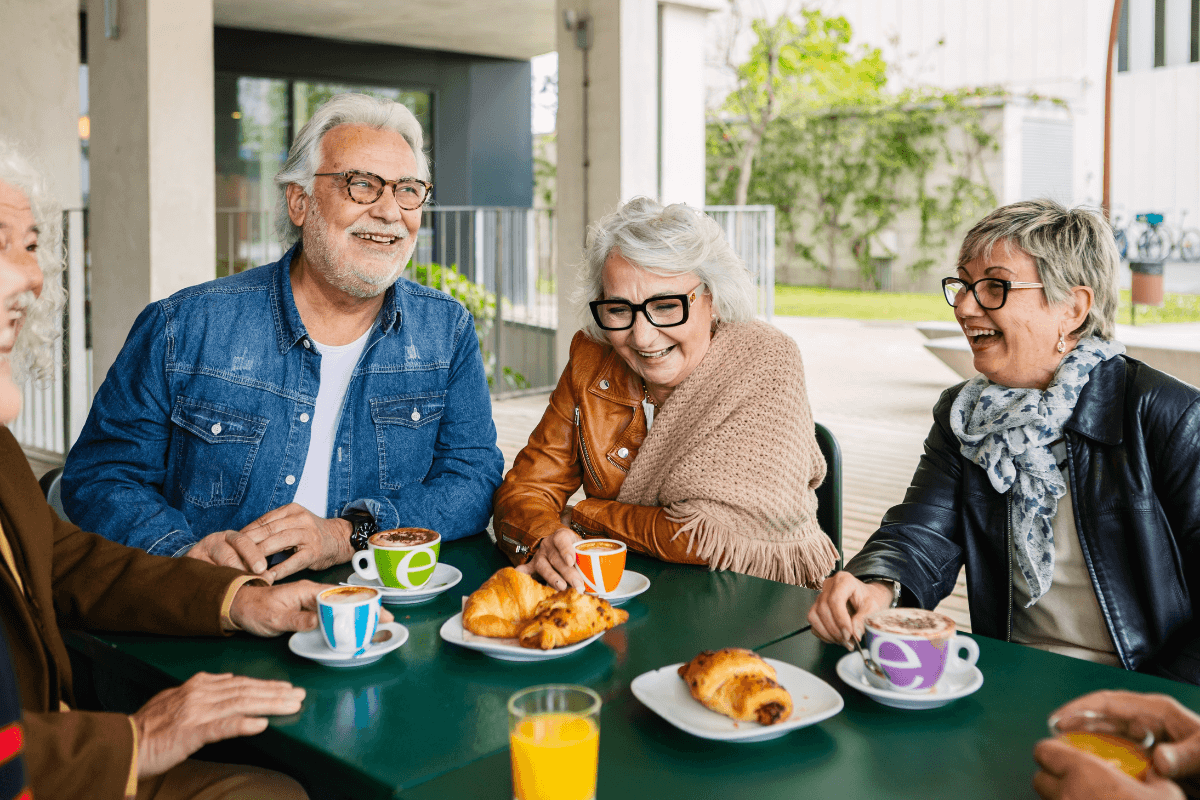
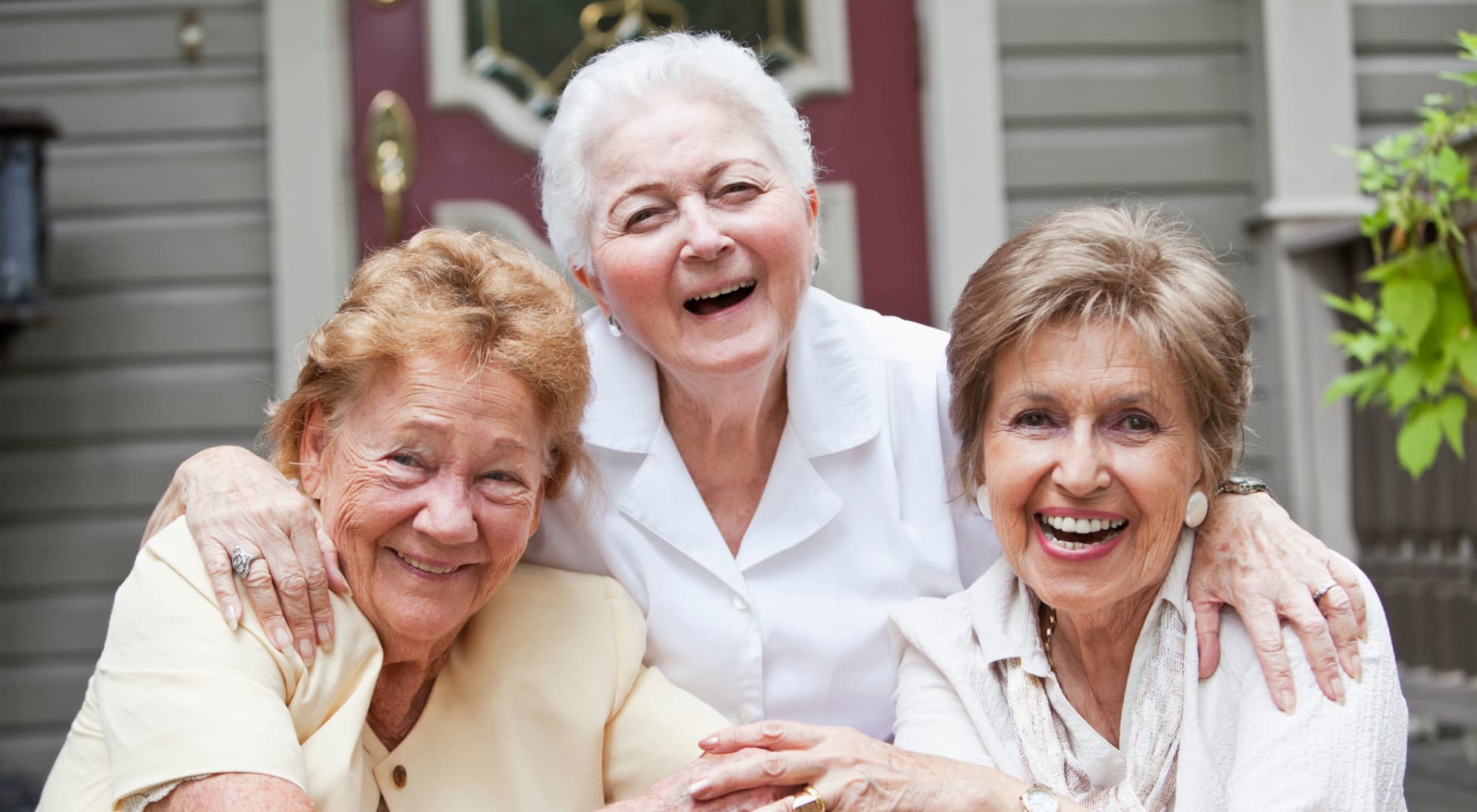
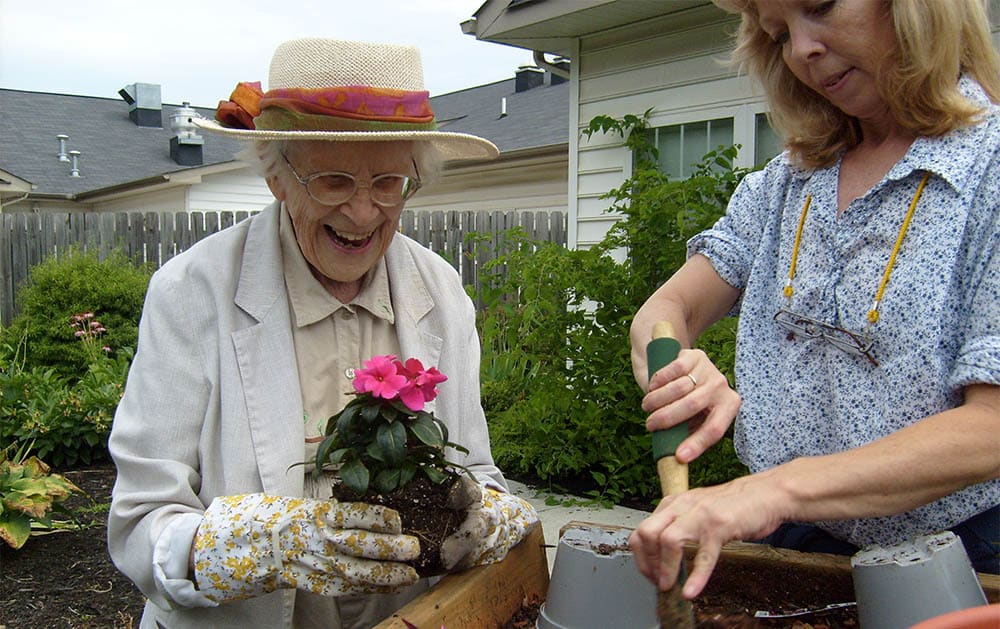
That kind of reflection pairs naturally with connection. Just as hobbies help older adults build purpose and stay socially engaged, gratitude often flourishes when practiced with others over a shared meal, a card game, or a conversation on the porch. Community gives gratitude a place to grow.
What Are Some Small Ways to Practice Gratitude Every Day?
Many transformative habits take a lot of routine-building, but showing appreciation takes little more than short, periodic reflection. Practicing gratitude starts small and builds from repetition, rather than requiring a major life change.
Here are a few ideas worth trying:
- Keep a short list. Write down two or three things you’re grateful for each day. It doesn’t need to be profound. For example, a good cup of tea counts.
- Say it out loud. Tell someone directly what you appreciate about them. Research describes gratitude as a social emotion, and it strengthens relationships when you say it rather than just feel it.
- Notice the routine. A daily walk or the coziness of a favorite chair are worth appreciating. Gratitude often hides inside the things we’ve stopped paying attention to.
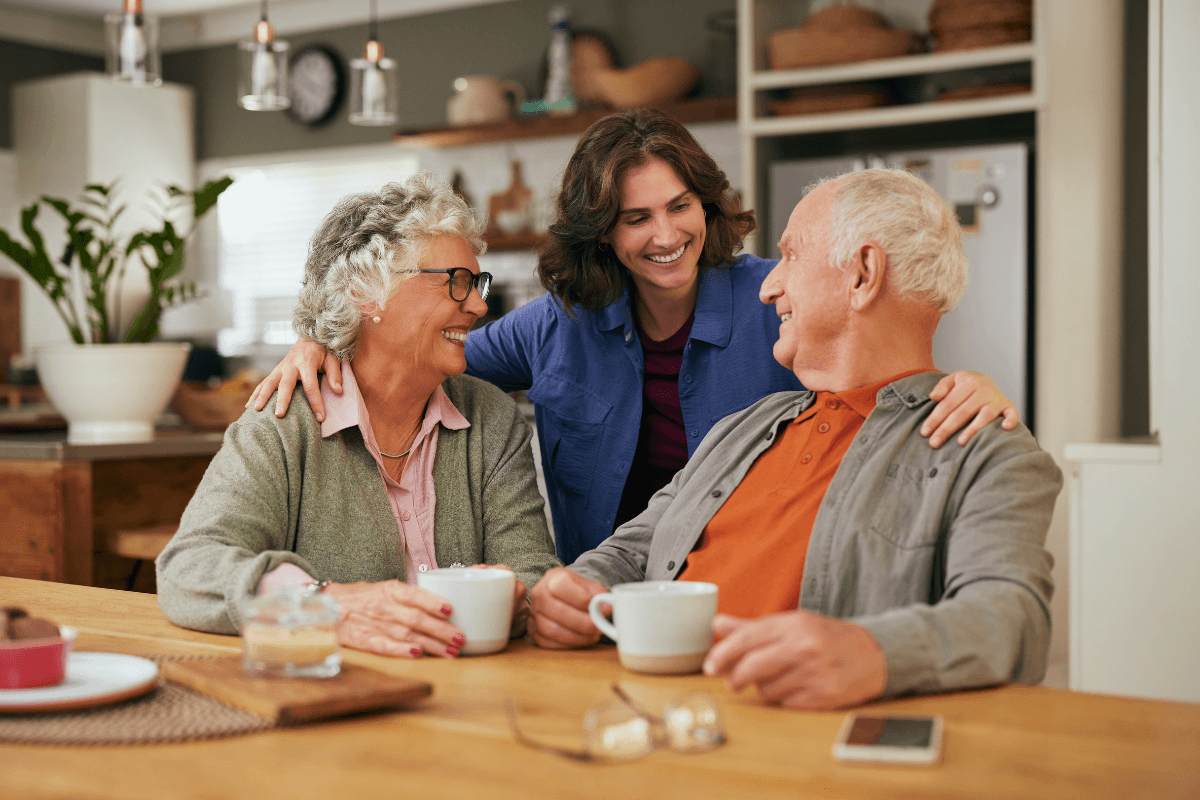
- Share it with others. Gratitude grows when you practice it in community rather than alone.
That last point is worth sitting with. Practicing gratitude in isolation is possible, but it’s rarely as rich as experiencing it alongside people who share your days.
Where Gratitude and Community Meet
Living a full, fulfilling life matters, and the environment around us can support a lifestyle we are deeply thankful for. At Heritage Senior Living, we build gratitude into daily life. Shared meals bring residents together around the table, and a full-time Director of Resident Life curates a calendar filled with moments designed for connection and celebration. These small, consistent touches give gratitude a place to take root and grow.
Senior living communities do more than provide care. They create the conditions for genuine appreciation of life to become part of one’s everyday routine. Residents find gratitude in a neighbor who remembers their favorite story, a team member who greets them by name, or a view from a favorite chair that never quite gets old.
Bring More Gratitude into Your Life
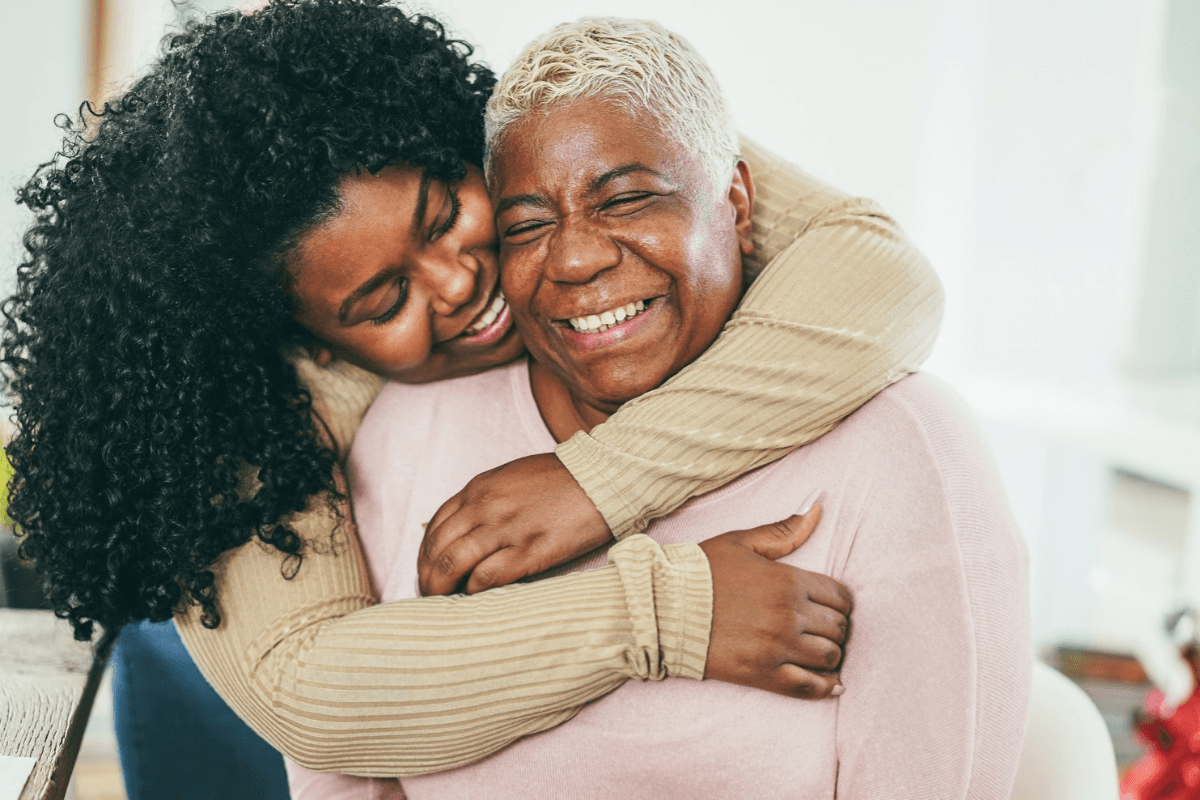
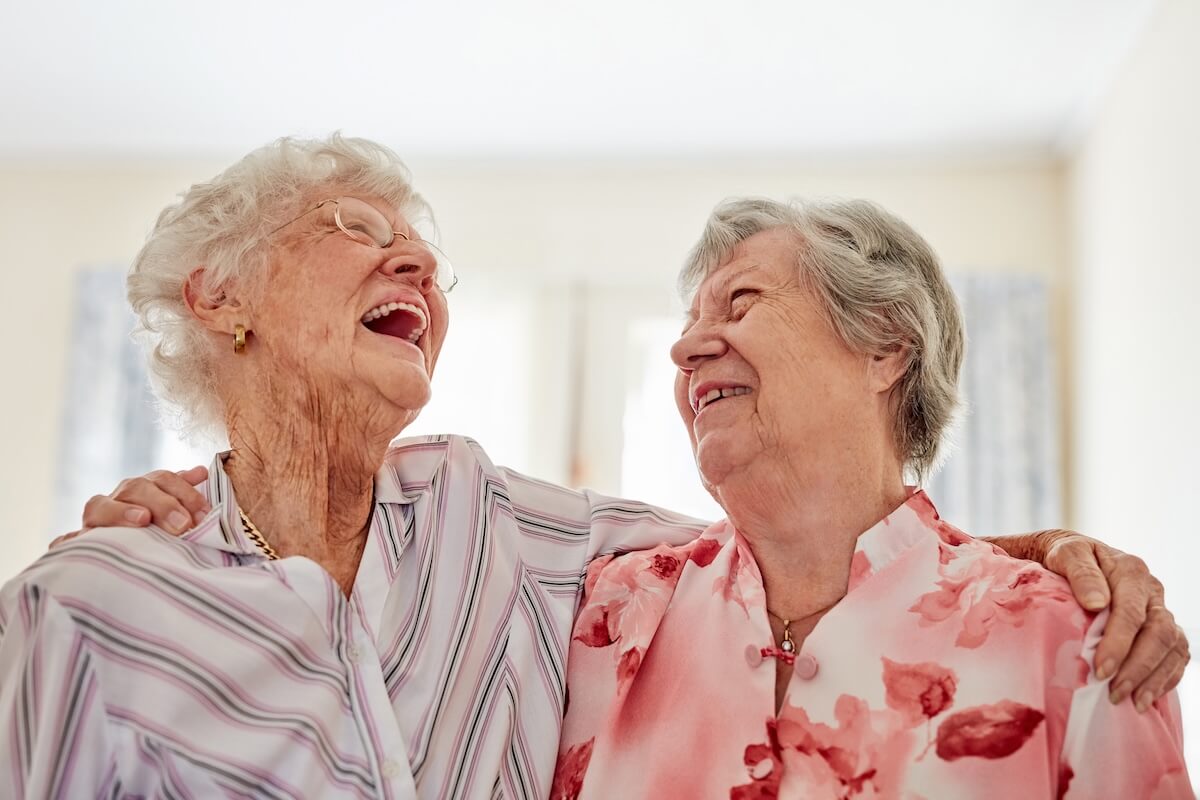
Gratitude isn’t reserved for big moments. It shows up in a shared laugh or a Tuesday afternoon that turns out better than expected. Research shows that noticing these moments and returning to them often changes how we experience daily life for the better. We feel more positivity and joy, plus we never fail to acknowledge the things in our lives we are grateful for.
At Heritage Senior Living communities, we believe those aspects of life deserve a daily routine built around them. If you’d like to see what daily gratitude looks like in practice, we invite you to visit one of our communities and experience it in person. Schedule a tour today and discover a place where residents become family, one appreciated moment at a time.
Key takeaways:
- Gratitude can improve daily well-being. Taking time to notice small positives can support a more hopeful and grounded outlook.
- Small moments still matter. Joy often comes from ordinary experiences, such as conversation, routine, nature, or familiar comfort.
- Gratitude can strengthen emotional resilience. Practicing gratitude regularly may help people better manage stress and maintain perspective.
- Connection plays a role in gratitude. Relationships, shared experiences, and community often make it easier to recognize and appreciate everyday blessings.
- A supportive environment can encourage joy. Senior living communities can help residents build routines and relationships that make gratitude feel more natural each day.