Aging changes many things, including sleep patterns and energy levels. Then, often without realizing it, the body’s nutritional needs change, too. For many older adults, those changes go unaddressed for years. The reason is simply that no one told them what to look for.
Good nutrition for healthy aging looks different than it did at 40 or 50. Calorie needs may decrease, but the need for specific nutrients goes up. The foods that worked in younger decades may no longer deliver what the body requires to stay strong and sharp. Things like fiber, antioxidants, and hydration matter more than ever. For you or someone you love navigating this season of life, understanding that shift is the first step toward a diet that powers both your body and your mind.
Nutritional Needs Change With Age
The body doesn’t process food the same way in later life as in midlife. Metabolism slows, and the digestive system becomes less efficient. Muscle mass tends to decline. Feelings of thirst diminish, and kidney function slows. Some of these shifts occur within the body naturally, and others are influenced by external factors. For example, certain medications may alter how food tastes, suppress appetite, or interfere with nutrient absorption.
Additionally, older adults simply require fewer calories. According to the American Heart Association, individuals can maintain the same weight on fewer calories, and the natural loss of muscle mass with age means the body uses calories at a slower rate. That tells us the key isn’t to eat less; it’s about eating smarter.
This is why the National Institute on Aging recommends that older adults focus on nutrient-dense foods. In other words, consume meals built around vegetables, fruits, whole grains, lean proteins, and low-fat dairy, rather than foods high in calories but low in nutritional value.
There are Nutrients That Deserve the Most Attention
Some nutrients become especially important as the body ages, and a few are worth knowing by name.
Calcium and vitamin D work together to maintain bone strength. According to Mayo Clinic, adults 51 and older need between 1,000 and 1,200 mg of calcium a day. Vitamin D is necessary for calcium absorption and can be found in foods like tuna or egg yolks. Most adults need at least 600 international units of vitamin D per day. Bone loss is a real risk in later life, and consistent intake of these two nutrients helps reduce that risk.
Vitamin B12 keeps red blood cells and nerves healthy. According to Mayo Clinic, the recommended daily amount is 2.4 micrograms, but the challenge is absorption. The ability to absorb B12 naturally from food decreases with age, which means fortified cereals or a supplement may be necessary. A conversation with a doctor can help clarify whether this applies to you or a loved one.
Last but not least, protein supports muscle maintenance, which matters more than many people realize. As we age, muscle loss can accelerate. Mayo Clinic recommends consuming 75-90 grams of protein a day. Sources like seafood, dairy, eggs, beans, and lentils help preserve muscle mass and physical function.
What Your Diet Does to Your Brain
The connection between food and cognitive health has gained significant research attention in recent years, and the findings are encouraging.
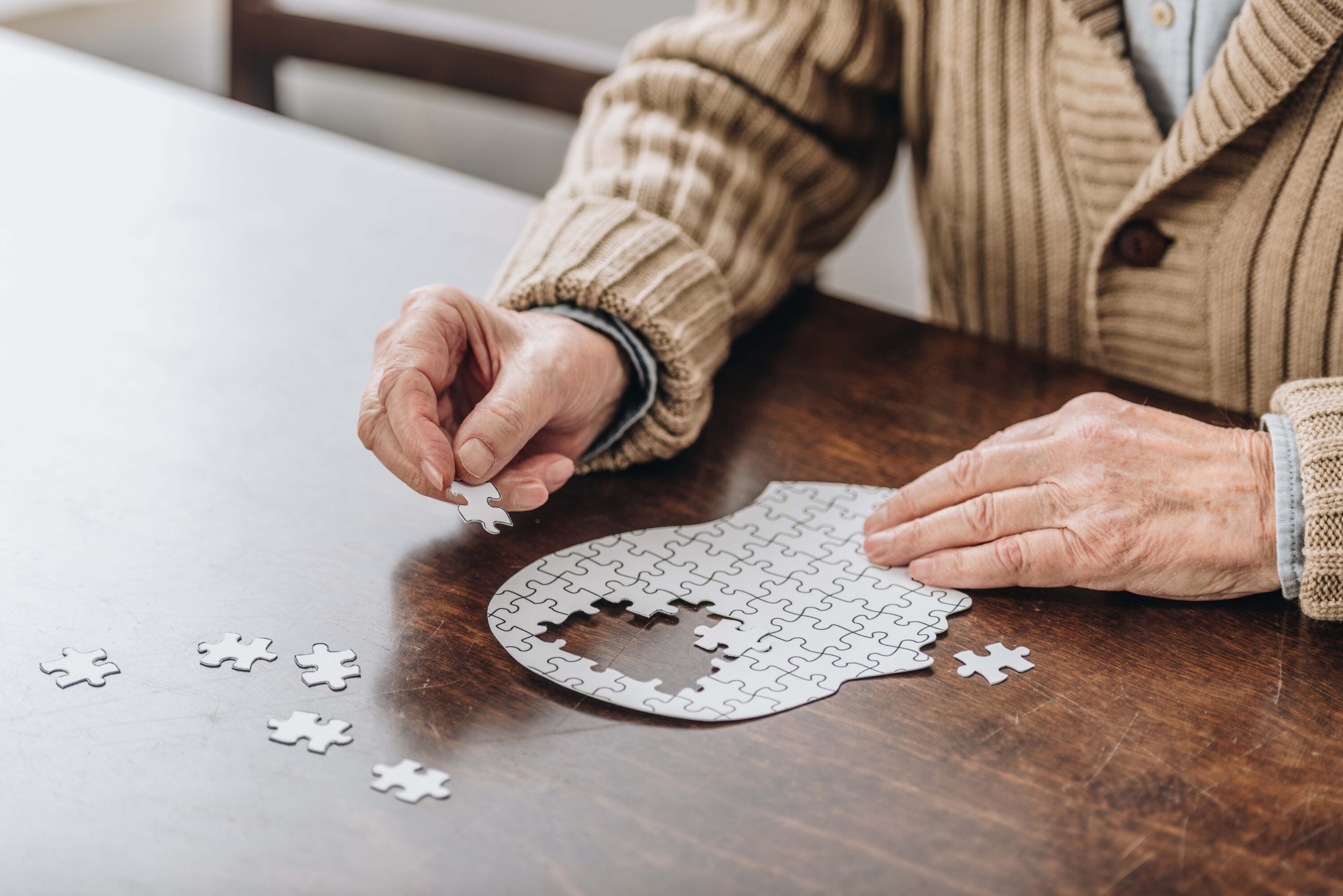
According to reports from the American Heart Association, the same risk factors that contribute to heart disease, including poor diet, high sodium intake, and low consumption of vegetables and fruit, also contribute to Alzheimer’s disease and other dementias. What’s good for the heart, it turns out, is good for the brain too.
Research from the National Institutes of Health found that people who adopted the MIND diet, which combines elements of the Mediterranean and anti-hypertensive DASH eating patterns, contributed to cognitive resilience in older adults. Researchers have previously reported that the MIND diet may slow cognitive decline and lower overall dementia risk.
These dietary patterns share a common thread of vegetables, whole grains, fish, legumes, and healthy fats, while limiting processed foods, red meat, and added sugars. No single food holds all the answers, but the pattern of what someone eats each day may shape long-term brain health in meaningful ways.
Beware of Dehydration
Nutrition conversations often focus on food, but what older adults drink, or don’t drink, matters equally as much.
According to the Cleveland Clinic, dehydration is a common cause of hospitalization among adults 65 and older. The reason has to do with how the body changes with age. Older adults naturally carry less water in their bodies than younger adults, kidney function declines, and the sensation of thirst becomes less noticeable. By the time an older adult feels thirsty, early dehydration has already set in.
The consequences aren’t limited to dry mouth or fatigue. In fact, symptoms of dehydration include confusion, dizziness, and muscle cramps. It can worsen existing conditions and, in some cases, be mistaken for cognitive decline.
The solution is to build hydration into the daily routine rather than relying on thirst as a cue. Sipping water consistently throughout the day, eating water-rich foods like cucumbers and watermelon, and limiting caffeine can all help.
Why Healthy Eating Gets Harder With Age
Knowing what to eat and actually eating it are two different things. For older adults, and for families supporting them, there are many real barriers that get in the way.
Living alone and therefore losing the motivation to cook full meals is one reason good eating habits fall by the wayside. Changes in taste and smell that make food less appealing, difficulty chewing or swallowing, medications that suppress appetite, and limited income or mobility are a few others.
All of these challenges are quite common and, fortunately, are manageable.
Helpful strategies include planning meals in advance to reduce decision fatigue, choosing pre-cut fruits and vegetables when chopping is difficult, seasoning food with herbs and citrus rather than salt, and setting a consistent schedule for meals and snacks to keep energy levels stable.
A Good Diet Doesn’t Have to Be a Lonely One
Nutrition for healthy aging is about building habits that feel sustainable and enjoyable. For many older adults, that becomes much easier in a community.
At Heritage Senior Living, nutritious dining is a core part of daily life. Residents have access to several options at every meal, complemented by a menu filled with home-cooked favorites, so that personal preferences and nutritional needs are consistently met. Heritage communities are designed to make mealtimes an opportunity for socialization. Lunch and dinner are where neighbors become friends, and residents never have to eat a meal alone.
If you or someone you love is exploring senior living communities that take wellness seriously, Heritage Senior Living communities are worth getting to know. Find one near you to learn more, or contact us to start a conversation.
Key takeaways:
- Nutrition Needs Change With Age: Older adults often need to pay closer attention to nutrient intake because the body processes food differently over time.
- Good Nutrition Supports General Health: Eating well can help support energy, strength, immune function, and quality of life in older adulthood.
- Key Nutrients Matter More Than Ever: Protein, fiber, calcium, vitamin D, and hydration all play an important role in healthy aging.
- Daily Habits Can Make Healthy Eating Easier: Simple routines, balanced meals, and accessible food choices can help older adults maintain consistent, healthy nutrition.
- Supportive Environments Help: Senior living communities can make healthy eating more manageable by providing regular meals, nutrition support, and social connection around dining.