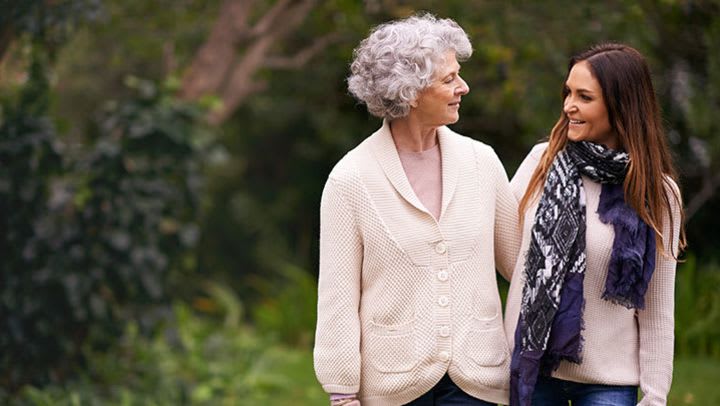
A large part of retirement involves much more leisure time than the years before. Quiet afternoons at home can easily slip into prolonged periods of inactivity, leaving an older adult with little social interaction. This steady isolation can take a heavy toll on daily well-being, impacting both mood and long-term physical health. Loneliness and isolation aren’t just tough for seniors; they can also leave devoted family caretakers feeling anxious or stretched thin as they try to provide frequent companionship.
Fortunately, community living offers a warm and supportive environment that replaces quiet solitude with genuine connection. When a family comes together with their loved one to choose community living, they’re also choosing impactful social engagement, essential health benefits, and peace of mind.
A New Chapter Defined By Joy and Connection
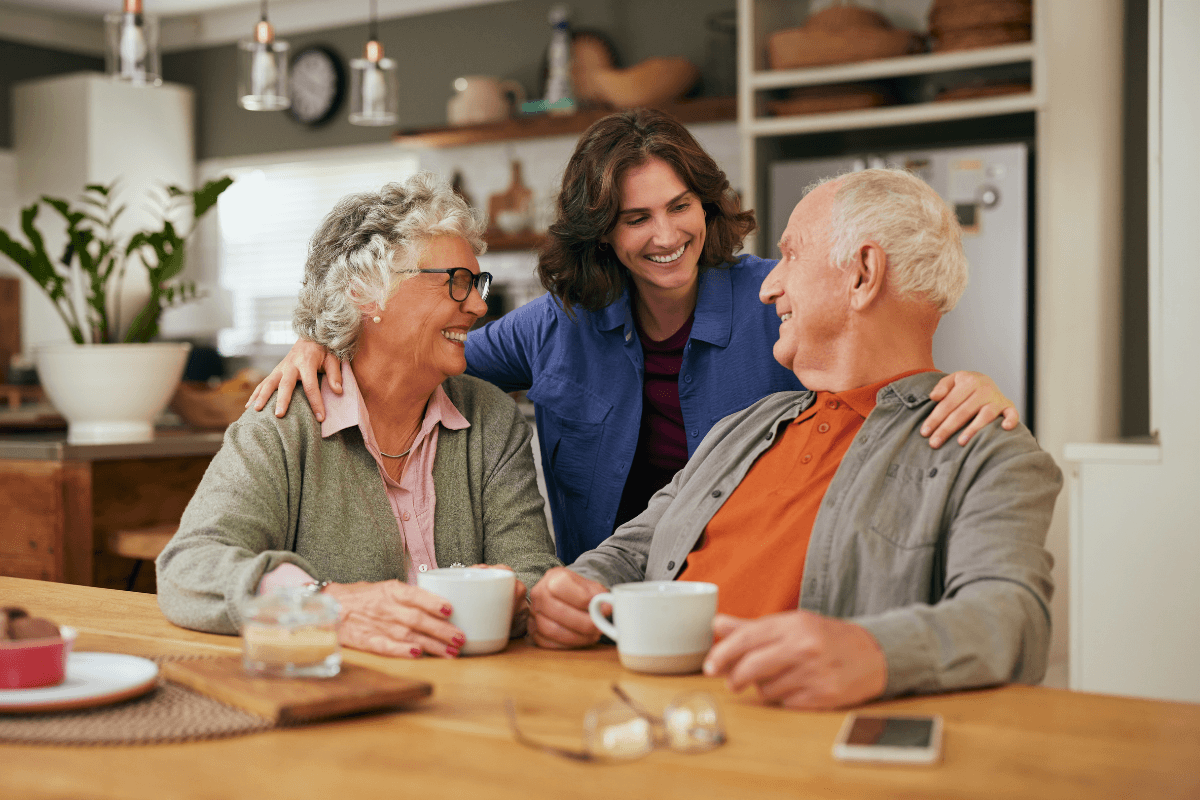
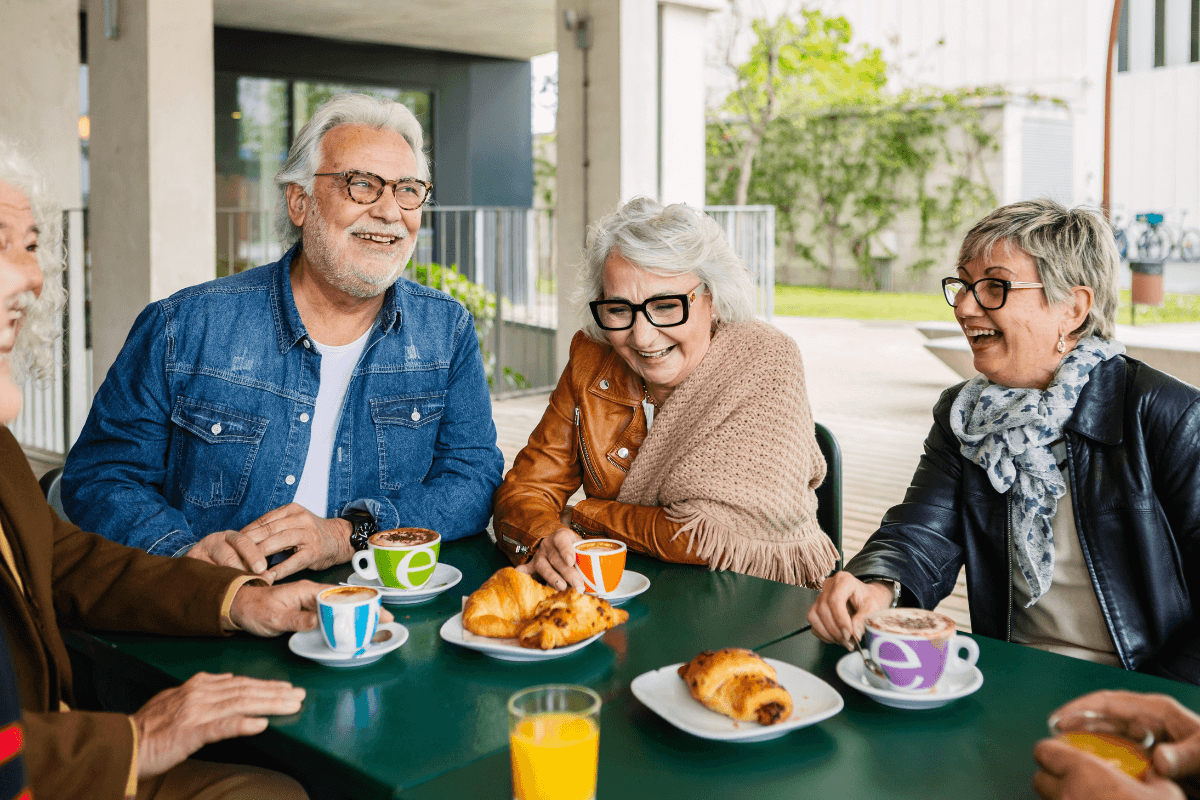
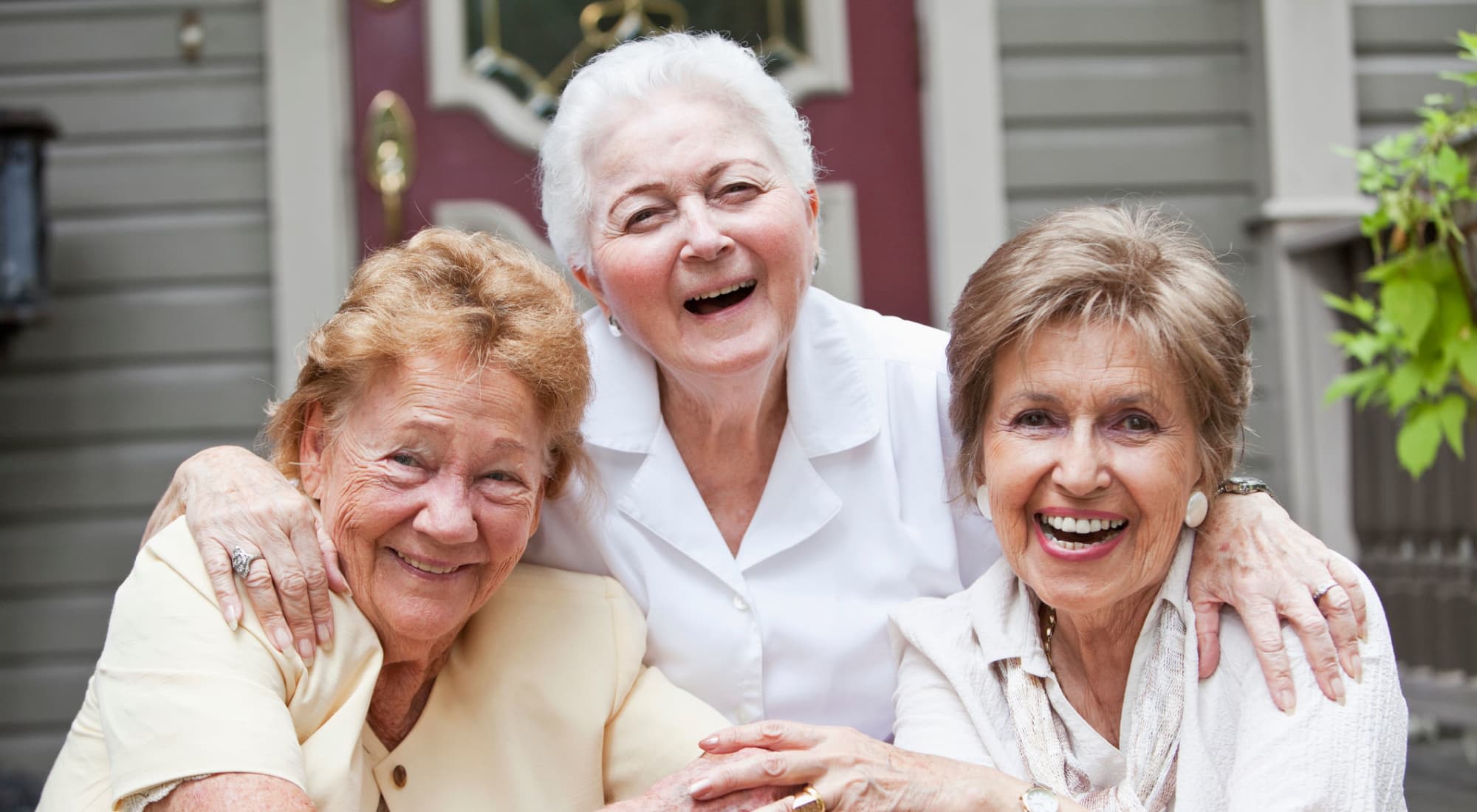
Living in a senior community with peers creates natural opportunities to build deep, lasting friendships. Suddenly, an adult finds themselves surrounded by a plethora of new neighbors in close proximity, and the entire structure of daily life is framed around fostering a sense of community. The isolation that can sometimes creep in when living alone is replaced by a vibrant social environment. No one has to sit alone for a meal, because senior living provides shared dining experiences where residents can enjoy delicious food while engaging in lively conversation.
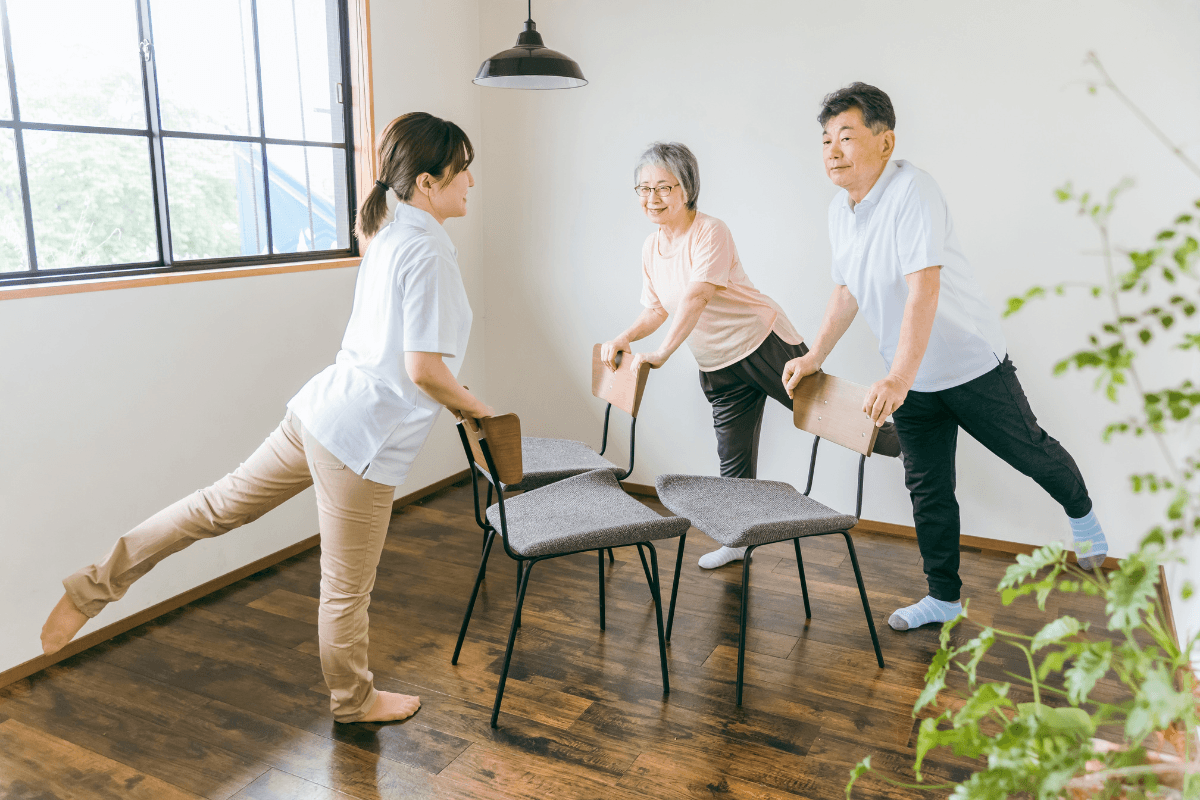
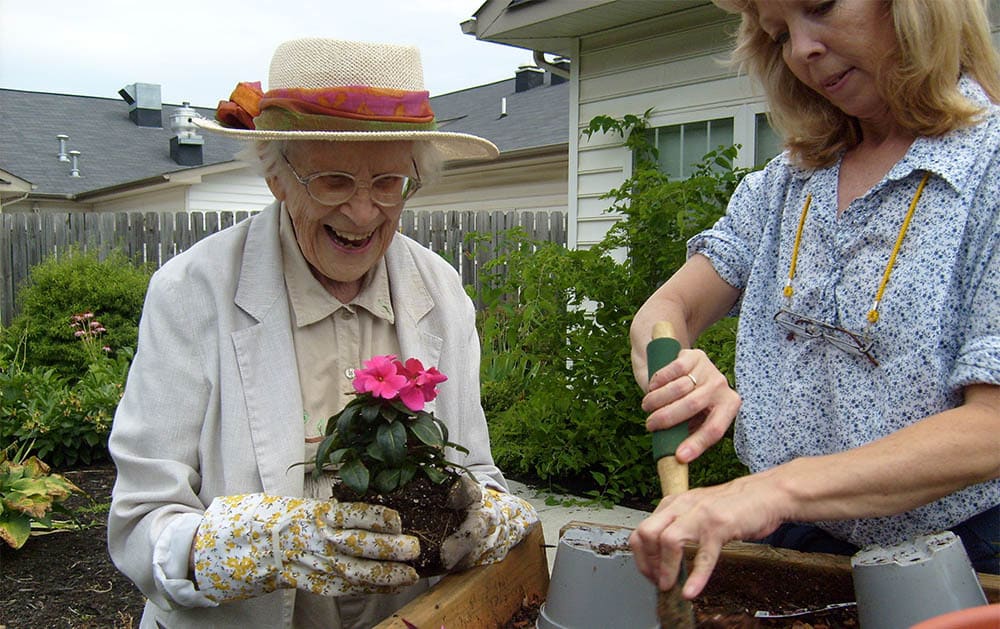
Beyond meal times, a rich calendar of structured group activities and resident-led clubs brings people together over common interests. Whether it’s a passion for crafts, a love for classic films during movie nights, a commitment to health and wellness classes, or a competitive game of cards, there are countless ways to connect.
Throughout the campus of a community, comfortable and inviting common areas are always bustling with activity. It’s easy to find a friendly face available to chat, share a story, or simply enjoy a quiet moment together. At every turn, from the garden pathways to the cozy lounges, there’s never a missed moment to make a meaningful connection. All these factors help residents feel a true sense of belonging, as if they are part of a close-knit, caring neighborhood.
Nurture Emotional Well-Being
Community living isn’t just about activities on a calendar, although that is certainly a perk! A supportive, active environment significantly reduces anxiety and brings a renewed sense of purpose to everyday life. A study showed that strong social support can enhance resilience to stress and protect from the psychological effects of trauma, and even help adults live a longer, healthier life. There’s real comfort in being surrounded by compassionate team members and friendly neighbors who genuinely care. Celebrating holidays, birthdays, and life milestones in a community fosters a deep sense of family.
A senior living community also provides home maintenance services as an amenity, offering its own stress-reducing benefits. When less time is spent coordinating lawn care or electricity fixes, there’s a lot more time freed up to spend on activities that spark joy. This also relieves pressure on adult children or caregivers who would have had to organize these services on behalf of their relative.
The Effects of Senior Isolation
As people age, they often find themselves spending more time alone. According to the National Institute on Aging, older adults who are socially isolated or lonely have a higher risk of experiencing conditions such as high blood pressure, anxiety, depression, and cognitive decline. Community living won’t just make older adults feel better—there are real psychological and physical benefits to seeking the right senior living community. A network of family, friends, and neighbors contributes greatly to happiness and overall contentment.
With a proven link between daily social interactions and maintaining strong cognitive health, families will be glad to know that senior living communities go the extra mile. Depending on the community, there are programs designed to bring people together based on shared interests, hobbies, or even health conditions for wellness support. Blending engagement and interpersonal bonds is how communities maximize joy while fulfilling the emotional and physical needs of every resident.
Take The First Step Together
The right community can work wonders for an adult feeling the effects of senior isolation or loneliness. A caring community environment actively transforms life into a bright, fun chapter filled with strong bonds and emotional security. In many ways, the cognitive and physical health of an older adult depends on moving into a senior living community. The transition feels much easier when families approach this period with positivity and view it as a collaborative journey. This is a time when tours come in handy, especially because they allow adults and their families to observe the atmosphere and find the perfect fit.
At Heritage Senior Living, our mission is to create a culture of support and compassion, while still encouraging independence for all residents. We understand this time is one of transformation, and we invite all families and potential residents to visit and see for themselves how beautiful life can be in one of our communities. The decision to transition into a community isn’t one families make lightly, and we use the trust given to us as fuel to create an environment where residents truly become family. If you’re ready for you or your family member to take the next step, we invite you to find the right Heritage community today, so we can schedule a tour!
Key Takeaways:
- Living in a senior community with peers creates natural, effortless opportunities to build deep, lasting friendships.
- A supportive, active environment significantly reduces anxiety and brings a renewed sense of purpose to everyday life.
- Older adults who are socially isolated or lonely have a higher risk of experiencing conditions such as high blood pressure, anxiety, depression, and cognitive decline, but senior living communities significantly lower these risks.