Choosing a memory care community for someone you love requires thorough research. Sources like a website or brochure can give you a starting point, but a tour is much more interactive and personal. Personal experience allows you to witness how communities foster connection, comfort, and engagement, and feel confident in your senior living decision.
Memory care communities serve people living with Alzheimer’s disease, dementia, and other forms of cognitive conditions. As such, these communities should offer the benefits of consistent routines and surroundings that feel safe without feeling restrictive. The right community meets those needs with both professional skill and personal warmth.
To understand how well a community meets these requirements, it’s helpful to bring a comprehensive memory care tour checklist to help you move from uncertainty to confidence.
Does the Environment Feel Like Home?
Upon arriving, walk in and notice what you sense before you start asking questions. An inviting space should include natural light, personal touches on doors, soft music in common areas, and the absence of clinical odors. The welcoming air the moment you and your family step through the door communicates something meaningful about how a community approaches daily life.
Look at the condition of shared spaces. Clean, well-maintained areas reflect a standard that isn’t only limited to aesthetics. Notice whether communal rooms feel lived-in rather than staged. A memory care community should feel like a place where people spend time, not a place where they wait around.
Seasonal detail and artwork chosen by residents are all signs that the community supports individuality. These details matter to people with memory loss, because research says familiar objects and sensory cues can provide comfort and orientation throughout the day.
How Do Team Members Engage With Residents?
A beautiful, secure environment is always a plus. However, many families consider the interaction between residents and caregivers at the top of their memory care tour checklist. This is often the most telling part of any tour, particularly during authentic moments in the background. It’s in the little details, such as when a caregiver greets a resident by name as they pass each other in the hallway.
These small exchanges reveal a great deal about a community’s culture. Relationships built on familiarity and consistency are especially important for individuals with dementia, who may experience difficulty adapting to new faces or shifting routines. Ask how long team members have worked in the community. Lower turnover tends to mean residents experience more stable, continuous relationships with the people who care for them.
It’s also worth asking what dementia-specific training caregivers complete before they work with residents, and whether ongoing education remains part of the experience. Memory care communities that invest in team member development tend to reflect that investment in the quality of daily care.
How Do Safety Features Support Independence?
Memory care communities must balance two priorities: keeping residents secure and preserving their sense of freedom. A well-designed community does both. Look for secured entries and exits that prevent unsafe wandering, without making the space feel overly restrictive.
Notice the layout on your tour. Clear pathways, uncluttered hallways, and easy-to-read signage reduce confusion for residents who may become disoriented. Enclosed outdoor spaces allow residents to spend time in fresh air without risk. Emergency call systems in private rooms and bathrooms provide additional reassurance.
Fall prevention is equally critical, as falls are the leading cause of injury among adults 65 and older, according to the Centers for Disease Control and Prevention (CDC). Inquiring about the design features that reduce risk and how the team responds when a resident needs help is a great way to gauge a commitment to safety. A community with thoughtful answers to these questions has likely considered resident well-being as part of its broader care philosophy, rather than an afterthought.
What Does a Resident’s Daily Routine Look Like?
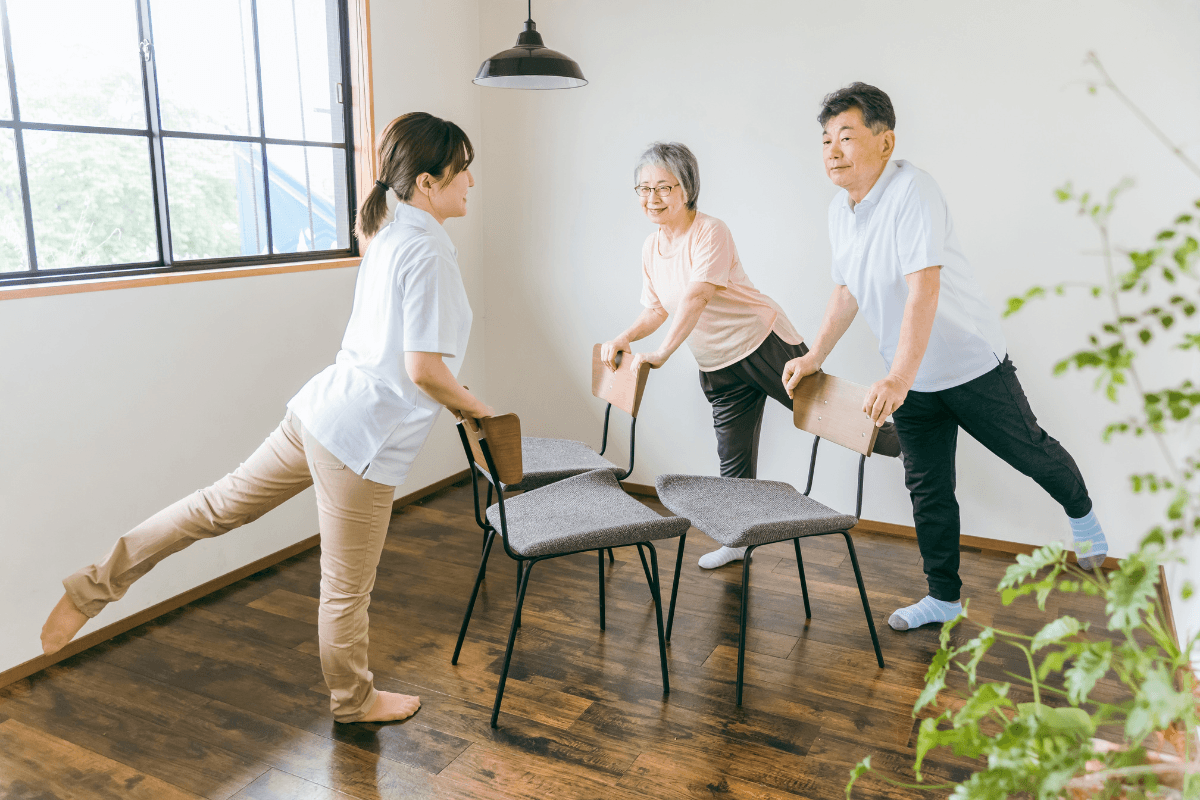
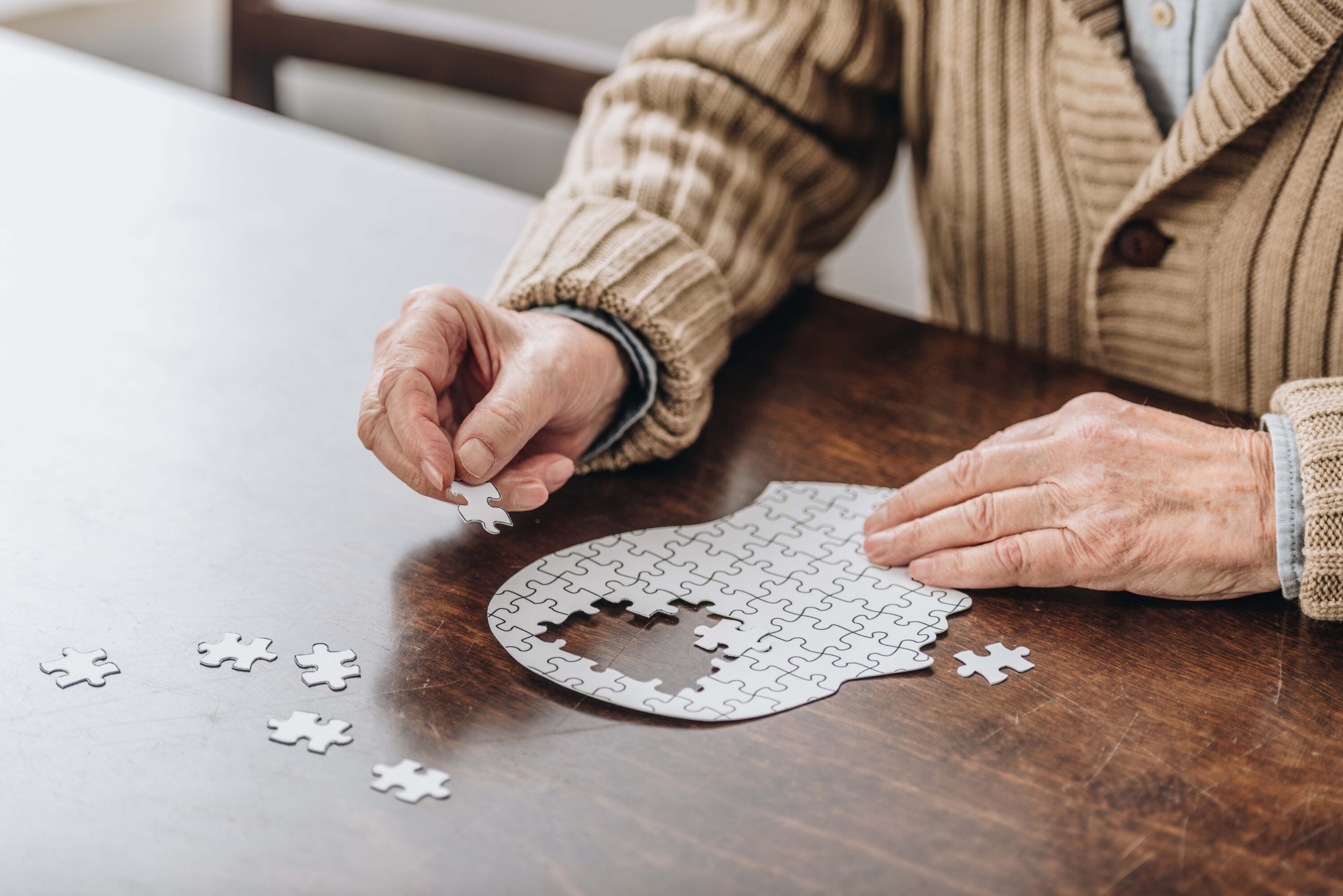
Consistent, meaningful routines support cognitive health for people living with memory loss. A community’s activity calendar reflects its commitment to that principle. Ask to see the schedule for the most recent month and look for variety, not just quantity. A strong program includes a mix of physical activity, social engagement, and creative expression.
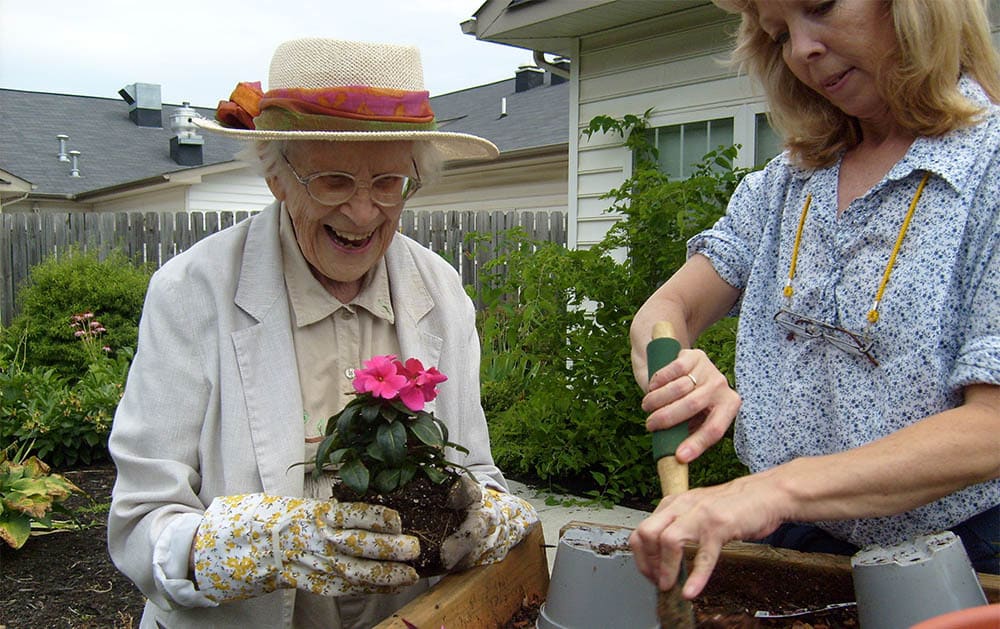
Programs grounded in what residents actually enjoy, such as music from a familiar era, gardening, or tactile crafts, tend to drive more engagement than generic scheduled tasks. Ask how the team identifies what each resident finds meaningful and how that information shapes their day-to-day experience.
Family involvement matters here, too. A community that welcomes families to participate in the daily life of their family member, or join special events, demonstrates an understanding of familial bonds.
How Does the Team Create and Adjust Resident Care Plans?
Person-centered care is a practice that begins with an assessment before a resident moves in and continues throughout their time in the community. Ask how the community gathers information about a new resident’s history, preferences, habits, and medical needs. The intake process reveals how seriously a community considers each person’s preferences for care.
Equally important is how care plans evolve. Dementia is a progressive condition, and a resident’s needs at move-in will likely look different over time. Ask how the team monitors changes, who participates in care plan updates, and how families stay informed throughout the process. Memory care communities that communicate clearly and consistently build trust over time by following through on their promises
A Tour Is the Beginning, Not the End
Visiting a memory care community gives a family real information that a website or phone call may not initially provide. It creates an impression and raises questions worth exploring. At Heritage Senior Living communities, tours are an opportunity to experience the warmth, connection, and care that define everyday life. Our team members are committed to getting to know each resident as an individual and building relationships that endure.
If you’re exploring memory care options for someone you love, we welcome you to come and see what ours feels like in person. Schedule a tour at a Heritage Senior Living community near you, and let us answer your questions in a place where residents live with joy each day.
Key takeaways:
- A memory care community tour gives families the chance to look beyond brochures and see how a senior living community supports residents every day.
- Cleanliness, calm shared spaces, secure entrances, and thoughtful layouts can reveal a lot about the quality of a memory care community.
- Warm, respectful communication and attentive caregiving are strong signs that a senior living community is equipped to support residents with dignity.
- Families should use a memory care community tour to ask about medication management, routines, emergency response, and personalized care.
- The best memory care communities, like those in the Heritage Senior Living family, support connection, comfort, and engagement. This is how we help families feel confident in their senior living decision.